


Simply Colour Hair Salon's Guide to Low Maintenance Hair Color
Between work, life, and Florida humidity that tests every blow-dry, finding the balance between gorgeous color and low upkeep can feel impossible. Imagine walking out of Simply Colour with vibrant, lived-in color that doesn't demand constant attention or frequent salon visits. That's the beauty of low-maintenance hair color — it's designed to blend seamlessly with your natural shade, grow out softly without harsh demarcation lines, and keep looking intentional with minimal effort. Using techniques like balayage, color blending, and strategic highlights, this approach gives you a fresh, modern look while taking the stress out of maintenance.
As you read through this guide, we'll explore five chic, effortless low-maintenance options — Brunette Highlights, Golden Toffee, Grey Blending, Fiery Red, and Copper Gradient — each tailored to complement your individual style and minimize your salon time. These curated looks promote the longevity of your color and keep your hair healthy and vibrant between visits. By understanding the nuances of each technique, from the subtle integration of highlights to the bold statement of a fiery red or the natural elegance of a brunette, you'll be equipped to choose a color that aligns with your lifestyle — so your beauty routine stays as stress-free and enjoyable as possible.
Brunette Highlights

Embrace the subtle elegance of Brunette Highlights, where the art of twilighting brings your natural brunette base to life. This method uses shades like caramel, gold, bronze, and warm chocolate, staying within two to three shades of your natural color. By focusing these warm, sunny tones around your face and on your ends, you achieve a sunkissed look that minimizes hair damage due to reduced bleach use.
Subtle Balayage
A sunset pales in comparison to the sunkissed glow achieved through subtle balayage techniques. Seamlessly blending lighter tones with your base color, this style showcases a natural yet striking appearance that's easy to maintain.
Low-Key Frosty Bronze
For those who prefer just a hint of color, low-key frosty bronze balayage offers a gentle enhancement. This option is perfect if you want to subtly elevate your natural mocha brown without fully committing to dramatic color changes.
Face-Framing Tawny Touches

Keep your maintenance to a minimum with smooth, tawny touches that frame your face beautifully. This technique enhances your natural features and gracefully complements your overall look.
Honey-Tinged Caramel
Experience the delightful upgrade of honey-tinged caramel highlights that take your chocolate brown hair to new heights. This choice not only brightens your overall appearance but grows out gracefully, ensuring your visits to the salon are as infrequent as possible.
Choosing Brunette Highlights means enjoying a vibrant look with less stress about frequent hair color appointments. These styles are designed to grow out beautifully, looking as natural and appealing as the day they were styled, making your hair care routine more relaxing and enjoyable.
Golden Toffee
Step into the radiant world of Golden Toffee, a delightful hair color trend that captures the essence of a light brunette interwoven with dark blonde hues. This multi-tonal shade brightens your overall look and embodies a low-maintenance lifestyle, making it an ideal choice if you're seeking to refresh your appearance without frequent salon visits.
Subtle Dimension with Toffee Brown Highlights

Golden Toffee thrives on its ability to create depth and dimension. Opt for toffee brown highlights that feature distinct ribbons of caramel color. These highlights are perfect for adding a swirl of warmth to your hair, enhancing the natural vibrancy without needing constant upkeep.
Luminous and Reflective
This hair color stands out for its luminous and reflective qualities, giving your hair a glossy finish that catches the light beautifully. It's a departure from the more subdued tones of past seasons, offering a rich shine that keeps your hair looking fresh and lively.
Effortless Transition Shades
For those transitioning from lighter shades, Golden Toffee provides a smooth blend that minimizes the appearance of roots as your hair grows. Techniques like color melting integrate the toffee tones into your existing color, ensuring a graceful grow-out phase and less stress about visible demarcation lines.
Customizable Intensity
Whether you prefer a subtle enhancement or a bold transformation, Golden Toffee is versatile enough to cater to your preferences. By adjusting the mix of golden, caramel, and red-brown highlights, your stylist can tailor the intensity to suit your desired look.
Choosing Golden Toffee means embracing a hair color that is as functional as it is beautiful. Its natural warmth and multi-dimensional tones reduce the need for frequent touch-ups, allowing you to enjoy a stunning look with minimal effort. This choice ensures that your hair care routine remains as relaxing and enjoyable as possible, perfectly aligning with a stress-free lifestyle.
Grey Blending — My Lived In Grey Approach
Going grey doesn't mean choosing between covering it every three weeks or growing it out with a harsh line down your part. Grey blending — what I call Lived In Grey — is the in-between, and it's one of the most low-maintenance ways to wear your color. For salt-and-pepper or hair that's less than about 75% grey, I weave your natural silver into your existing color, softening the contrast with subtle lowlights and the occasional tiny babylight so your grey reads as dimension rather than regrowth. It keeps you in your natural depth — I'm not lightening you or walking you toward blonde, just softening what's already there. Prefer every strand covered instead? I do full 100% grey coverage too. Either way, it's an honest, modern, grown-out-gracefully look built for real life.
Soft Demarcation, Not a Hard Line
The whole point of blending is to erase the stark root line that traditional grey coverage creates. By placing soft, dimensional pieces through the top and around your face, your regrowth melts into your color instead of announcing itself — which means you can stretch the time between visits far longer.
Dimensional Salt-and-Pepper
For salt-and-pepper hair, we lean into the contrast rather than erase it. Lowlights and a few brightened pieces turn scattered grey into an intentional, multi-tonal blend that looks polished as it grows — no urgency, no demarcation, no stress.
Brightening and Toning for Silver
Silver and grey hair looks its best when it's kept bright and free of brassy yellow — especially in Florida, where sun and hard water love to dull it. A toning, anti-yellow wash like Oway Bluemoon Hair Bath keeps your grey crisp and luminous between visits, and a periodic gloss or color refresh mask revives tone without the commitment of permanent color.
Choosing grey blending means working with your hair instead of against it. It's the most freeing low-maintenance choice on this list — fewer appointments, no root anxiety, and a result that looks effortlessly intentional every day it grows.
Fiery Red
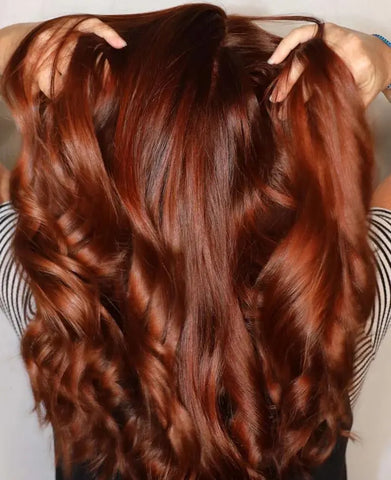
Step into the vibrant world of Fiery Red, a hair color that demands attention while offering the allure of low maintenance. Known for its bold and vivid appearance, red hair can be a stunning choice that stands out in any crowd. However, maintaining that fiery vibrancy can be a challenge, so choosing the proper techniques and products is essential to ensure your red locks remain bright and beautiful with minimal effort.
Vibrant Color Choices
When you opt for Fiery Red, consider using permanent hair color options like Koleston Perfect or Illumina Color. These products provide a wide range of red hues, from deep cherry to bright strawberry blondes, allowing you to maintain the vibrancy of your color for longer periods.
Specialized Hair Care Routine
To keep your Fiery Red looking its best, integrate a shampoo and conditioner specifically designed for color-treated hair. Products like Wella's Ultimate Color Collection are perfect as they cleanse, hydrate, and enhance the gloss and shine of red tones.
Moisturizing Treatments
Maintaining hydration is critical to achieving glossy, healthy-looking red hair. Regular use of color-depositing masks can help preserve the richness of your red, adding subtle tints that refresh your color between salon visits.
Heat Protection
Protect your Fiery Red from fading due to sun exposure and heat styling. Using products like Oway Thermal Detangling Spray can shield your hair from harmful UV rays, preserving the color's intensity and preventing premature fading.
Glossing Services
Consider scheduling glossing services between your regular coloring appointments. These quick treatments involve a blend of color and conditioner applied over your existing hair color, enhancing the vibrancy and extending the life of your Fiery Red.
By choosing Fiery Red, you embrace a hair color that combines the drama and excitement of red with strategies that reduce your salon visits. This approach saves you time and helps you maintain a stunning, vibrant look with ease, making your hair care routine more enjoyable and far less stressful.
Copper Gradient
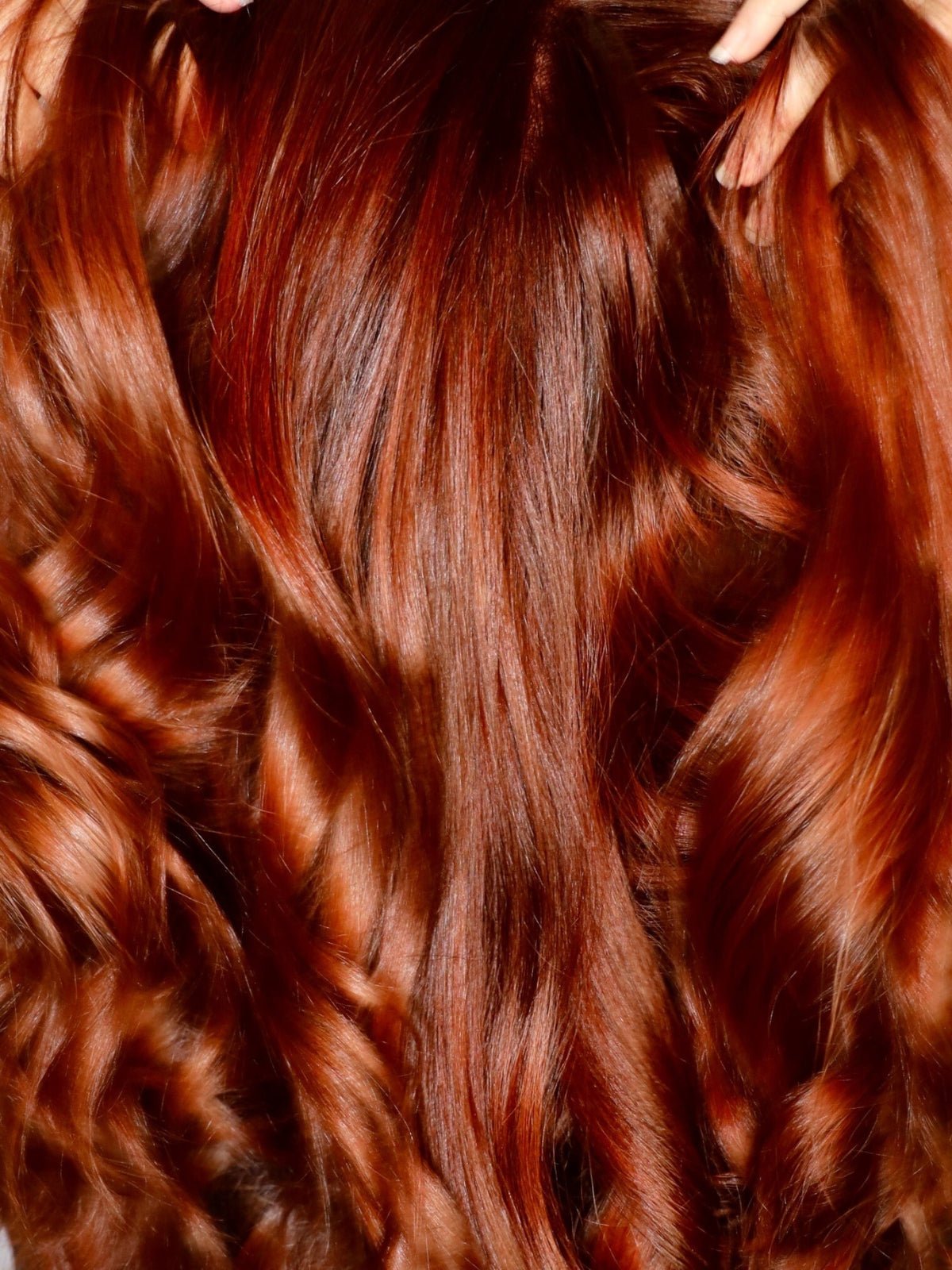
Step into the warm embrace of the Copper Gradient, a hair color trend that perfectly marries the fiery hues of red with the earthy tones of copper. This style is visually stunning and brilliantly designed to be low maintenance, making it an excellent choice for those who wish to minimize their salon visits while still enjoying a vibrant, eye-catching look.
Effortless Fading
The Copper Gradient is particularly noted for its natural fading process. Unlike more dramatic colors, the transition of copper tones blends naturally with your original hair color. This gradual fading means fewer touch-ups and a more seamless grow-out period, allowing you to extend the time between your salon appointments.
Rich, Multi-Tonal Look
The beauty of the Copper Gradient lies in its depth. This color technique adds a rich, multi-dimensional look to your hair by incorporating varying shades of copper and bronze. Each strand catches the light differently, creating a dynamic, vibrant effect that enhances your hair's overall texture and volume.
Customizable Shades
You can tailor the intensity of your Copper Gradient to match your style and preference. From soft, subtle amber to bold, fiery copper, this color scheme's flexibility ensures that you can find the perfect shade to complement your skin tone and personal aesthetic.
Choosing the Copper Gradient means embracing a hair color that is as practical as it is beautiful. Its natural adaptability and ease of maintenance reduce the stress typically associated with hair color upkeep, allowing you to enjoy a stunning look with minimal effort. This choice ensures that your hair care routine remains as relaxing and enjoyable as possible, perfectly aligning with a stress-free lifestyle.
Conclusion
Throughout this article, we have journeyed through the allure and practicality of low-maintenance hair color options offered by Simply Colour Hair Salon. From the subtle elegance of Brunette Highlights to the fiery charm of Copper Gradient, each style has been carefully curated to reduce stress, minimize salon visits, and enhance your natural beauty with ease. Embracing these hair color techniques ensures a vibrant look that aligns with your lifestyle needs, offering a seamless blend of style and convenience. Our goal has been to equip you with knowledge and inspiration, making your beauty routine more enjoyable and your hair color experience less taxing.
Understanding the nuances of low-maintenance hair coloring not only frees up your schedule but also embraces an approach that values self-care and environmental responsibility. By choosing options that require less frequent touch-ups, you're taking care of yourself and the planet. Stop stressing about your hair color and go longer between appointments, taking care of yourself and the earth simultaneously. As we conclude, remember that your hair color journey can be as effortless and fulfilling as the styles we've explored. Whether you're drawn to the natural glow of Golden Toffee or the dynamic vibrancy of Fiery Red, Dean at Simply Colour is here to ensure your look remains effortlessly beautiful and distinctly yours, with minimal upkeep required.
FAQs
What hair dye color requires the most minor upkeep?
The most low-maintenance hair colors that let you stretch the time between salon visits include Golden Brunette, Highlights with a Root Shadow, Soft Bronde, Dimensional Brunette, Warm Copper, Auburn, and blended grey — shades that grow out softly instead of leaving a hard line.
Which hair color is best for grey hair with low upkeep?
Dimensional Brown is an excellent choice for grey hair as it integrates various undertones to produce a multi-dimensional look. This complexity helps conceal the regrowth of grey hairs better than more uniformly colored dyes.
What is the most effective low-maintenance method to conceal grey hair?
Highlights are a practical option for covering grey hair without requiring extensive maintenance. Choose the service DIMENSIONAL PARTIAL (DONE A LITTLE DIFFERENTLY) to start extending your visits.
Which hair coloring technique is considered low maintenance?
Ombre is a low-maintenance coloring technique that offers a natural-looking color transition and adds dimension to the hair. Depending on hair growth, it typically requires touch-ups every three to five months, as it blends the color through the ends more densely.

Written by Dean Downing

Leave a comment
This site is protected by hCaptcha and the hCaptcha Privacy Policy and Terms of Service apply.